Coaching Fundraising Staff: 5 Best Practices To Fuel Success


From engaging major donors to writing compelling cases for support, your fundraising staff needs specialized skills to bring in vital revenue. While the right fundraising technology and strategies can get your nonprofit closer to its goals, ultimately, your staff is your most valuable funding resource.
To help boost your nonprofit’s funding, we will review five best practices for training your fundraising staff.
1. Create structured training pathways.
A solid training framework ensures your entire fundraising team receives the coaching they need to engage donors, plan campaigns, and handle day-to-day fundraising duties. Create efficient, consistent training pathways by offering:
- Onboarding. Get team members up to speed by creating an onboarding process designed to ensure new hires can perform all necessary duties. Take a practical approach by focusing on knowledge needed for day-to-day responsibilities, such as explaining how to use your fundraising software and defining their roles in your broader fundraising strategy.
- Continued training. Training should not stop after onboarding. Ensure the rest of your team continues to develop their skills by routinely hosting workshops, bringing in outside experts, and having team members attend training opportunities, such as conferences and webinars for nonprofit professionals.
- Advancement opportunities. For employees who want to advance their careers, provide clear pathways for growth. Depending on the role they want to move into, this might include shadowing senior roles, taking on more advanced projects, or participating in specialized training.
After creating a new training program, follow its results, both in terms of team member feedback and relevant metrics. For example, you might compare the productivity and retention rates of new hires before and after implementing a formal onboarding process.
2. Consider individual professional goals.
Your training programs should further your nonprofit’s goals, but remember that individual team members have their own interests and priorities. When your nonprofit’s training objectives align with your staff’s professional goals, your team will be more motivated to engage with your training programs.
Take individual team members’ goals into account by:
- Discussing professional goals. Have frank conversations with your team about their career goals to discover their professional interests and determine how you can support them. This helps you uncover managerial ambitions, creative interests, and other information that can shape your training programs and overall team structure. For example, if you have several employees interested in leadership positions, you may start promoting internally more frequently, rather than hiring external leaders.
- Creating personalized opportunities. For specialized positions, arrange for employees specifically interested in those roles to conduct training, rather than setting up workshops for your entire team. For example, you might help an employee interested in moving into an IT role take online coding courses or have an aspiring manager shadow your current leadership.
- Checking in with staff about their professional progress. To ensure your team continually improves their individual skills, schedule routine check-ins to discuss their professional development goals. These check-ins could occur during performance management reviews, at the start of new quarters, or at any other time that makes sense for your nonprofit.
Balance team members’ goals with your nonprofit’s greater needs. While it may be frustrating for individual employees, your nonprofit may not always have the resources or open positions that align with their professional goals. In these situations, emphasize the focus on your nonprofit’s overall mission, and look for opportunities for employee growth that align with this greater goal.
3. Provide practice opportunities.
Fundraising, particularly soliciting donations, can be stressful. Many fundraising scenarios require thinking quickly, projecting confidence, and adapting to unexpected variables.
While your training sessions can’t account for every possible scenario your fundraising team will encounter, you can prepare them for common challenges by providing practice and low-stakes opportunities.
For example, to help a new major giving officer practice making donation appeals, they might give their pitch to senior team members who are standing in for the major giving candidate. Or, when planning to approach prospective sponsors, you might organize them by value, and have team members first pitch to medium and low-priority sponsors to gain extra experience giving their presentation before approaching high-value sponsors.
4. Work with a consultant.
Nonprofit consultants have experience working with hundreds of organizations like yours, and many are willing to share this knowledge with your team. From consultants who specialize in technology to capital campaigns to board management, these experts can train your team in the specific skill sets needed to advance your mission.
To find a consultant who can help your nonprofit, follow these steps:
- Determine your needs. Consider the skills you would like your team to improve, as well as the amount of training needed. Some consultants offer limited training sessions after completing a specific project, such as a technology consultant conducting a workshop on how to use new software. In contrast, others have long-term training programs, providing your nonprofit with the ability to arrange training opportunities as needed.
- Assess consultants’ approach. Different consultants will have different teaching styles. Review consultants’ training processes to determine what approaches will best resonate with your team. For example, one consultant might provide guided lessons that team members are expected to complete fairly independently, whereas another might offer a highly interactive, multi-day training retreat.
- Create a long-term partnership. Ideally, your nonprofit should be able to call on the same consultant in the future for subsequent training sessions. After your first training session with a consultant, survey team members, and keep a close eye on the results emerging from the training. This will help you determine if that consultant was the right fit for your nonprofit.
When assessing prospective consultants, research what types of nonprofits they typically work with. For example, a consultant with extensive experience working with hospitals is likely a better fit for leading a workshop on grateful patient fundraising best practices than one who doesn’t acknowledge healthcare organizations as a unique audience.
5. Collect staff feedback.
Evaluate the effectiveness of your fundraising coaching by asking employees about their training experiences. After a training session, send employees a short survey, asking questions like:
- What about this training session did they find most useful?
- What topics did they wish were included in their training?
- Did the training format resonate with their needs?
Instead of surveying employees immediately after a training session, consider waiting a few days or even a few weeks. This gives your staff time to put what they learned into practice and reflect on how well their training served them.
Compile your survey feedback to identify what’s working well, where there are gaps in your training, and what new coaching methods you might experiment with in the future.
To fuel your mission, you should continually coach your fundraising team to develop and refine their skills. Improve your approach to training by creating a structured framework, working with professional fundraising consultants, and adapting your processes based on both your nonprofit’s and your staff’s needs.
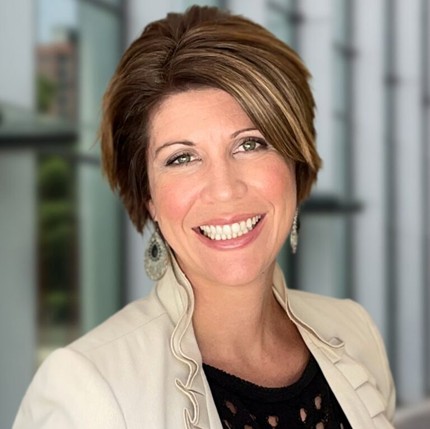 Nicole Antil is a principal at Graham-Pelton. An experienced facilitator with expertise in creative communications, visioning, and case for support development, Nicole is the architect of the CASE IN5 framework, a five-part framework to organize a case for support to align with the human decision-making process.

Read More