Keeping the Interest Long After the Party Ends

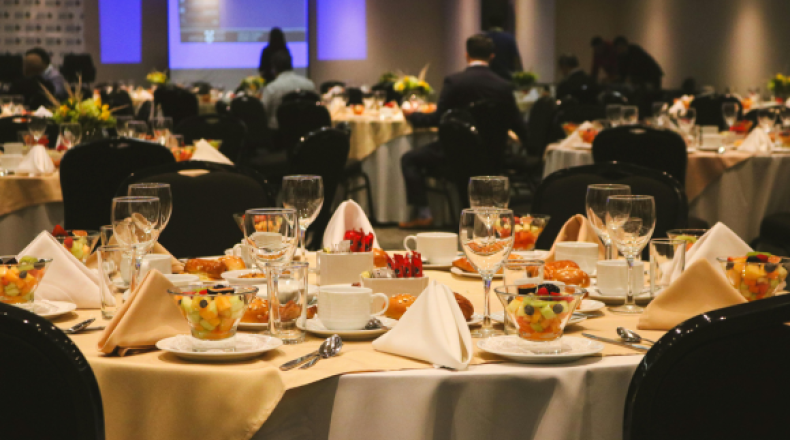
We’ve all been there—the launch party for an ambitious capital campaign. Supporters gather, glasses are raised, and the air is electric with excitement. Everyone envisions the future of the project—the state-of-the-art facility, the expanded services, the lives that will be changed. But amid the clinking glasses and hopeful speeches, few stop to truly consider their role in making that vision a reality.
Capital campaigns are not a sprint; they are an endurance race. They demand persistence, strategy, and unwavering commitment. When you finally reach the finish line—often years after that initial toast—your knees are scraped, your energy depleted, and you’re left wondering how you made it through, especially those last grueling miles when it felt like you were running alone.
I’ve been there more times than I can count. I, too, have sipped champagne alongside board members, marveling at architectural renderings of a dream yet to be realized. I, too, have been swept up in the energy of the moment, believing—if only for that night—that the path ahead would be smooth, that the excitement in the room would sustain itself.
But when the guests have left, and the confetti has settled, reality sets in. I have stood alone in the empty room, staring at an ambitious fundraising goal, feeling an overwhelming wave of anxiety. The challenge ahead looms large, and the question lingers: How do we keep this momentum alive long after the party is over?
Momentum is key to achieving success, yet success itself fuels momentum. Board members and volunteers are far more likely to stay engaged when they experience tangible wins, both big and small. Without a sense of progress, their enthusiasm wanes, leading them to step back from fundraising efforts. This disengagement shifts the burden onto an already overworked and under-resourced staff, who may begin to see the campaign as an added strain rather than a shared initiative. Without visible board support, staff members prioritize daily operational demands, causing fundraising efforts to stall.
Commitment before making the toast is essential for a successful capital campaign. This commitment goes beyond verbal support—it requires board members, volunteers, and key stakeholders to immerse themselves in the reality of the project. A site visit to the existing facility in need of renovation or the land where a new project will be built allows individuals to connect emotionally and physically with the cause.
Experiencing the space firsthand—walking through aging hallways, witnessing overcrowded rooms, feeling the wear and tear of inadequate infrastructure—creates a deep and lasting impression. People need to touch, feel, smell, and see the impact of these conditions for themselves. It is this visceral experience that fuels passion and urgency, far more than a presentation in an online meeting ever could.
When board members and volunteers become regular visitors to the site, they develop a stronger emotional connection—not just with the physical space but with the people it serves. They witness the challenges faced by staff and those receiving services, fostering a greater sense of empathy. This firsthand experience transforms them into powerful advocates who can speak with genuine conviction when engaging potential donors and funders.
By bridging the gap between conceptual support and lived experience, organizations create champions who are personally invested in the campaign’s success. These individuals don’t just talk about the need for change—they feel it, believe in it, and are more willing to take action to make it a reality.
According to Capital Campaign Pro, studies indicates that 94% of nonprofits that completed a capital campaign considered it successful, with the average campaign achieving 108% of its fundraising goals.
Is a multi-million-dollar capital campaign feasible?
The success rate of nonprofit capital campaigns varies based on factors like campaign planning, organizational capacity, leadership involvement, and donor engagement. However, research and industry benchmarks suggest:
- Success Rate: Around 85-90% of well-planned capital campaigns meet or exceed their fundraising goals.
- Campaigns with a Feasibility Study: Organizations that conduct a feasibility study before launching their campaign have a higher success rate, often above 90%.
- Campaigns Without a Feasibility Study: The success rate drops to around 60-70%, as organizations may set unrealistic goals or lack major donor commitment.
- Campaign Length Impact: Most capital campaigns last between 3-5 years, with longer timelines generally correlating to greater success if momentum is maintained.
The answer lies in engagement—real, ongoing, strategic engagement. A capital campaign isn’t won in a single night; it requires a carefully mapped-out plan to keep supporters invested at every stage. From consistent and transparent communication to strategic touchpoints that reinforce their role in the campaign’s success, keeping the fire burning is just as important as lighting the initial spark.
- Strong Leadership & Board Engagement: Board and executive leadership play a crucial role in securing major gifts.
- Major Donor Commitment: At least 50-70% of the goal should be pledged before launching the public phase.
- Feasibility Study: Helps assess donor willingness and capacity to give.
- Clear & Compelling Case for Support: Donors need to see the impact of their investment.
- Consistent Stewardship & Follow-up: Keeping donors engaged throughout the campaign ensures long-term success.
Having witnessed both the triumphs and challenges of fundraising campaigns, I believe that success is built on a foundation of reality, strengthened by faith, and sustained through consistent cultivation. A campaign is not just about raising funds; it’s about fostering engagement, nurturing relationships, and creating a shared sense of purpose among board members, volunteers, and donors.
One of the most effective ways to maintain momentum is by setting small, achievable milestones—not just financial goals, but also qualitative measures of progress. These can include tracking the number of meaningful conversations with potential stakeholders, the frequency of engagement efforts, or the number of site visits conducted. Celebrating these incremental wins keeps board members and volunteers motivated, reinforcing their role in the larger vision.
Small victories fuel enthusiasm, reminding everyone involved that progress is being made, even when the final goal feels distant. Campaigns, much like marathons, can be long and exhausting. Without tangible moments of achievement, fatigue sets in, and engagement starts to wane. But when leaders acknowledge and celebrate these touchpoints—whether through donor meetings, community events, or personal connections—it creates a culture of ongoing investment in the mission.
Because while excitement may fade over time, commitment endures. And it’s that steadfast commitment—not just the moment of celebration—that carries a campaign to the finish line. The most successful campaigns are not just those that reach their financial goals, but those that build lasting relationships, deepen stakeholder trust, and leave a legacy that extends well beyond the final dollar raised.
 Shama Shams, CFRE, is the founder of Case for Support Consulting, a nonprofit strategist with over 20 years of experience, and a published author. She specializes in fundraising, strategic planning, marketing, and board development. Shama has led million-dollar campaigns, built high-performing teams, and secured transformational gifts for nonprofits of all sizes. She is also the host of the podcast From Passion to Purpose, where she amplifies the voices of nonprofit leaders and changemakers. Follow Shama on LinkedIn: linkedin.com/in/sshams-cfre
Read More