Muslim Generosity in Dhul Hijjah




We are now in the days of Dhul Hijjah, the last month in the Islamic calendar and one of the most sacred. For Muslims like myself, it is a time of reflection, action, and generosity. The first ten days of Dhul Hijjah include key events in the Islamic year: Yom Arafat, a day of fasting, remembrance and prayer; the Hajj pilgrimage to the Kaaba in Saudi Arabia, a pillar of Islam; and Eid al-Adha, one of our major holidays centered on sacrifice, generosity and compassion. The dates of Dhul Hijjah follow the lunar calendar, typically falling 10-11 days earlier each year. In 2025, these sacred ten days run from May 28-June 5th, with Eid al-Adha occurring on June 6th. During this holy time, we perform charity not as a cultural tradition but as a core expression of our faith: we want to build a better community for everyone.
American Muslims are a vibrant and diverse community, with an estimated 3.45 million adherents. Pew Research Center has reported that our faith community is the most diverse, with no single ethnic background making up the majority. Muslims include immigrants as well as those from families like myself, that have been here for more than three generations (25% of all Muslims). In our circle, we have friends with ancestors who came to America on the Mayflower, arrived on slave ships from Africa, and more recently, came to study in American universities and then stayed to work. Muslims can be found in all walks of life, but in mainstream conversations, Muslims are often the invisible other. Nausheena Hussain, researcher and author of Prosperity with Purpose notes, “We give generously of our time, talents, and networks, yet these contributions are often overlooked.”
Muslim philanthropy includes a wide range of charitable behaviors beyond just the traditional 5T’s of collective giving (Time, Talent, Treasure, Testimony, and Ties). Smiling, picking up a piece of trash, and helping a neighbor are all included in this broader understanding of philanthropy in Islam. In the U.S. Muslim Women’s Philanthropy Report, volunteerism is highlighted as part of Muslim women’s giving, with 68.8% of Muslim women volunteering 20 hours or more for faith-based causes, and 57.8% for non-faith-based causes. Women’s Giving Circles, such as the one I manage with the American Muslim Community Foundation (AMCF), allow women a platform to connect, uplift, and amplify causes they feel deeply about, in the spirit of the first Muslim believer, Khadijah, a business owner, philanthropist, and the wife of Prophet Muhammad.
For professional fundraisers and nonprofits, understanding the scale and motivation for charity by American Muslims can open doors to new partnerships and more inclusive campaigns. In 2022 alone, the Muslim Zakat Report 2023 indicated that over $1.8 billion in Zakat (charitable giving) was given by U.S. Muslims, with 45% of Muslims giving during the days of Dhul Hijjah. Prophet Muhammad, the founder of Islam, is considered by Muslims to be the final messenger from God, and said “No good deeds are better than what is done in these first ten days of Dhul-Hijjah…” During this period of heightened spirituality and charitable giving, fundraisers should reach out to their Muslim colleagues and donors first, to acknowledge the importance of this religious event. Let the Muslims in your closest circle lead engagement efforts with the local Muslim community: aligning company events with the Islamic calendar; hosting interfaith volunteer opportunities; and partnering with local Islamic organizations for community events including Eid related festivities.
To understand why the days of Dhul Hijjah hold such significance for Muslim charitable giving, it's important to know the religious events they commemorate. The Hajj occurs during the month of Dhul Hijjah and commemorates the story of the Prophet Ibrahim (Abraham) and his family, highlighting sacrifice, devotion, and trust in Allah (God). The Hajj includes 4-5 days of activities in the first ten days of Dhul Hijjah. Through the rites of the Hajj, pilgrims reenact several key aspects from the life of Prophet Ibrahim, focusing on faith and sacrifice. We remember the wife of Prophet Ibrahim, Hajar, as she frantically runs between the two hills of Safa & Marwa looking for water for her thirsty baby, and then the miracle of the water of Zamzam which gushed in response to her prayers to Allah (God). On Yom Arafat, Muslims all over the world join together in a day of prayer and fasting, on one of the holiest days in the Muslim calendar. Eid al-Adha (Holiday of the Sacrifice) commemorates Prophet Ibrahim’s willingness to sacrifice his precious son at the command of Allah, and Allah’s acceptance of his belief by allowing the sacrifice of an animal instead. Thus, we slaughter (or donate the price) of an animal and distribute the meat in portions: ⅓ to our family, ⅓ to friends and neighbors, and ⅓ to those in need. Islamic Relief USA distributes over 50 thousand pounds of meat during Dhul Hijjah each year, allowing Muslims in need to celebrate this day in dignity.
By sharing these stories during the 10 days of Dhul Hijjah, I hope to encourage a broader appreciation of the diversity and impact of faith-driven giving. American Muslim philanthropy during Dhul Hijjah is a powerful force for good, based on the values of Islam. Through better understanding, Muslims and non-Muslims can collaborate and uplift all of our communities. For organizations seeking to build authentic relationships with Muslim donors, the key is year-round engagement rather than seasonal outreach. Muslim philanthropy extends far beyond these ten days, but understanding their spiritual significance can deepen partnerships and create more meaningful collaborative opportunities throughout the year.
Author Information
Lisa Kahler, Program Manager, Islamic Schools League of America and Giving Circle Manager, American Muslim Community Foundation (AMCF)
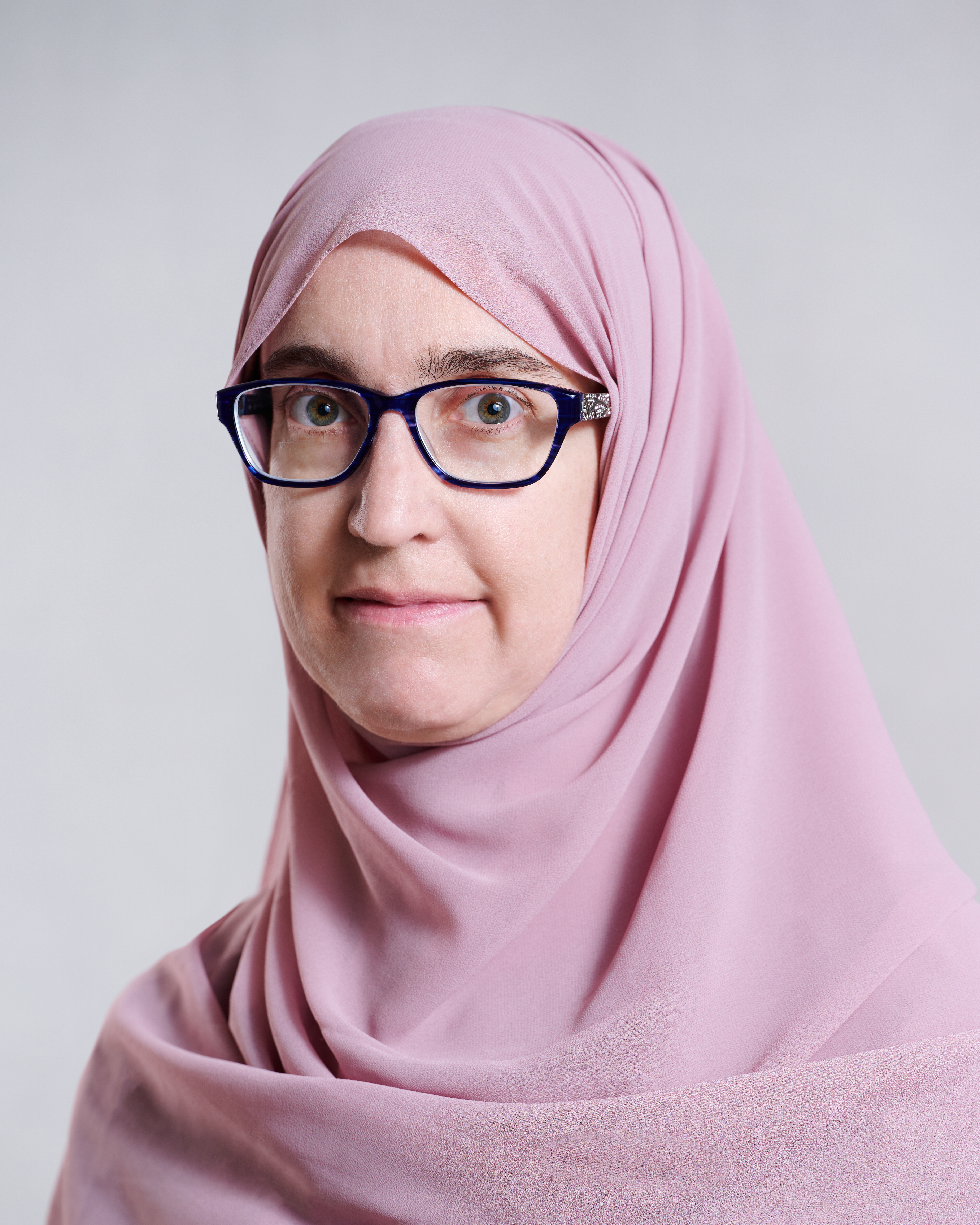 Lisa, a Southern California native, has extensive experience in the nonprofit sector, particularly in private school education. She serves on the planning committee for the Shura Council of California’s Annual Educators’ Leadership Retreat and is an active member of AFP Orange County and AFP Inland Empire. Currently, Lisa is studying for the CFRE certification. She works as the Giving Circle Manager at the American Muslim Community Foundation (AMCF) and as Program Manager with the Islamic Schools League of America (ISLA).

Read More