This Eid, Show Up for Your Muslim Colleagues


When I was a graduate student preparing to leave for Hajj, the sacred Islamic pilgrimage to the Kaaba in Saudi Arabia, I wasn't sure how my professors would respond. Instead of uncertainty, I found grace. They recorded lectures on VHS tapes and gave me flexibility to submit assignments after my return. It was a small act of accommodation. It allowed me to graduate on time and changed everything about how I felt in that program.
That's what inclusion actually looks like. Not a policy. Not a statement. A moment where someone says: your faith matters here, and we'll make it work.
As we enter Dhul Hijjah, one of the most sacred months in the Islamic calendar, it's a fitting time to ask: are our nonprofit workplaces creating those moments for Muslim colleagues?
Why This Matters for Our Work
In fundraising, everything is built on trust. The same conditions that allow a Muslim colleague to fully show up at work shape how they build relationships with donors, partners, and communities. Inclusion isn't separate from our fundraising mission but foundational to it.
Dhul Hijjah is an opportune moment to close that gap. Not with a grand gesture, but with the quiet intention to do better.
What You May Not Know About This Season
Dhul Hijjah is the 12th and final month of the Islamic calendar. The first ten days are among the most spiritually significant of the entire year. Many Muslims increase their worship, reflection, and charitable giving during this period. The Day of Arafat (the day before Eid al-Adha) is observed by many through fasting, reflection and prayer with family and community even by those not making the pilgrimage.
Eid al-Adha falls on the 10th day of Dhul Hijjah and is one of Islam's two major holidays. In 2026, it is expected to be celebrated on May 27, 2026. While it is a four-day holiday, most Muslim professionals in the U.S. take only one day off — if that. Knowing this calendar matters. Scheduling a major donor event or all-staff meeting on Eid is not an inclusive act.
This context matters because the stakes are real. According to the Institute for Social Policy and Understanding, nearly 6 in 10 Muslim Americans report experiencing religious discrimination, including 43% who report these acts from their coworkers. And since September 11, 2001, Muslims, who make up approximately 2% of the U.S. labor force, have filed nearly 25% of all religious discrimination claims with the Equal Employment Opportunity Commission (EEOC). These are alarming numbers and represent colleagues who felt they had no other recourse. The question for nonprofit leaders is whether our workplaces are part of the problem or part of the solution.
What Muslim Colleagues Want You to Know
When Amina¹ prepared to leave for Hajj, she gave her team enough context in advance that they arranged coverage without fanfare. No awkward questions. No hesitation. Just: we've got you. That proactive support meant she could leave with peace of mind and return without guilt.
Fatima² had a similar experience at her first employer. Before she left for Hajj, her manager told her simply: "It'll be fine. Don't worry about work while you're gone. It's not like we are saving lives here." That perspective was offered freely, without being asked and it stayed with her. At her current workplace, the experience is different. Most of her team has no idea what Ramadan is. They learn she's fasting only if she mentions it. When Eid arrives, it registers only as an out-of-office notification. It’s a different environment when co-workers are remote and work from home more often. The contrast between those two workplaces is striking and instructive.
Sarah works in city government, where a reflection room with private sinks is available to all staff. Her Muslim direct report attends Jumuah, the Friday congregational prayers, regularly, and no manager has ever raised an objection. These gestures are quiet, structural choices that help to foster an inclusion and belonging environment and culture.
There is one more shift worth naming: remote work has quietly become one of the most meaningful forms of religious accommodation often without organizations even realizing it. The flexibility to pray, fast, and observe without explanation or negotiation has given many Muslim professionals breathing room that office culture rarely offered.
Noreen, a grants manager at UMMA Health a Muslim-founded health organization, puts it simply: being able to share perspectives across different faiths throughout the year makes her feel included. Her organization offers time off for Islamic holidays and Friday prayers and extends that same equity to colleagues of all traditions. She sees it as more than accommodation. It's what keeps people motivated and deepens collective commitment to the mission.
Small Changes That Signal Inclusion
You don't need all the answers. You just need intention. Here's where to start:
Check the calendar before you schedule. Religious calendar tools are widely available online. A quick check before setting major meetings or donor events can prevent unintentional exclusion and means no one has to ask.
Create space for prayer and reflection. A quiet room open to all employees makes daily practice possible without disruption. When it's available to everyone, it becomes culture not accommodation. Prepare the room with prayer rugs, soft lighting, and the prayer direction. Private sinks for ritual washing before prayer are a huge win!
Rethink how you gather. Workplace events centered on alcohol create real barriers. Inclusive options allow full participation. Mocktails, food that accommodates dietary needs like no pork, halal or zabiha, and gatherings that don't require explanation help Muslims feel like they have been part of the invitation.
Don't ask Muslim colleagues to educate the whole team. Take initiative to build your own baseline understanding. Then invite them into conversation as a thought partner, not a resource.
A Small Gesture
As we begin Dhul Hijjah this week, make the intention to learn one thing, change one item, or rethink one policy. A first step is to learn how to say the holiday greeting of “Eid Mubarak” in advance of Eid al-Adha on May 27th. One simple phrase indicating to Muslim colleagues that they are seen and heard, the first step in a more inclusive workplace
¹ Names have been changed to protect the identity and privacy of interviewees.
² Names have been changed to protect the identity and privacy of interviewees.
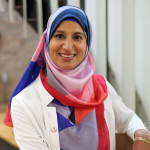 Nausheena Hussain, PhilD is the Principal of Nissa Consulting LLC, specializing in nonprofit organizational development and fundraising strategy for Muslim and multifaith organizations. She holds a CFRM from the Lilly Family School of Philanthropy and serves on the Community Impact Committee at the St. Paul and Minnesota Community Foundation.
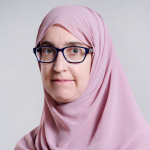 Lisa Kahler, is the Director of Community Programs at the American Muslim Community Foundation (AMCF), the only US Foundation founded, led by, and serving the American Muslim community. She holds a Certificate in HR Management from Cal State Fullerton, and is an active member of the AFP Inland Empire Chapter in California. She currently serves on the AFP Volunteer Committee Restructuring Task Force.

Read More