Sample Ethics Case—Public Trust and Transparency: Jane, ChatGPT, and a Winning Appeal

Ethical Dilemma:
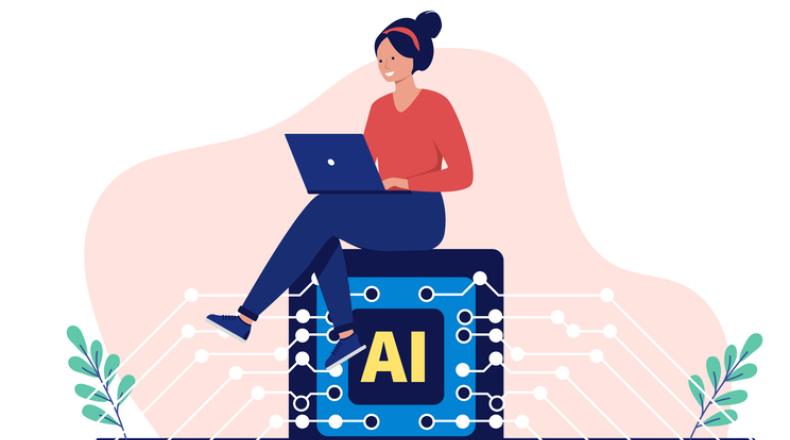
Jane, a fundraiser at a nonprofit organization, uses ChatGPT to draft a compelling fundraising appeal. She then submits this AI-generated content to her supervisor as her own work. Her supervisor is impressed, and Jane’s appeal is used in a very successful annual appeal. Jane receives accolades for her excellent work. However, her supervisor later discovers that Jane used ChatGPT without disclosing this.
Who’s involved:
- Jane
- Jane’s Supervisor
What are the possible ethical issues; who else might be impacted?
- Jane’s integrity and professional reputation might be compromised.
- Potential damage to the organization’s brand such as if any of the material was incorrect, misleading or protected intellectual property, and was relied upon causing readers/donors to take or consider taking action against the organization.
- Did Jane misrepresent her skills and abilities?
Related Ethics Standards:
Standard 1: Not engage in activities that harm the members’ organizations, clients, or profession or knowingly brings the profession into disrepute.
- The organization relies on the authenticity and originality of the work produced by its employees. Jane’s actions could undermine trust both internally and externally.
- If issues arise from the content (e.g., factual inaccuracies or legal issues), the organization wouldn’t know that the content was AI-generated, potentially leading to unanticipated risks.
Standard 3: Recognize their individual boundaries of professional competence and responsibility.
- Misrepresentation of skills and abilities as Jane claimed the AI-generated content was her original work.
Standard 6: Refrain from knowingly infringing on the intellectual property rights of other parties.
- By presenting the AI-generated work as her own, Jane potentially infringed on the intellectual property rights associated with AI-generated content, depending on the terms of use of the AI service.
Steps you can take:
Proactive ways to prevent the occurrence:
- Implement an organizational policy requiring employees to disclose the use of AI tools in their work, ensuring transparency.
- Implement an organizational policy which includes giving proper attribution to AI tools when they are used. This might involve stating that the content was AI-assisted.
- Establish guidelines on how to acknowledge AI contributions, ensuring that human creativity and AI assistance are appropriately credited.
- Provide training for employees on the ethical use of AI tools, emphasizing the importance of honesty, transparency, and intellectual property rights.
- Develop and enforce policies that clearly define acceptable uses of AI and the consequences of misrepresentation.
- Implement a review process for AI-generated content to ensure its quality, accuracy, and alignment with the organization’s values and mission.
- Use AI detection tools to verify the originality of work submitted by employees.
- Implement systems that log AI usage, ensuring a transparent record of when and how AI tools are used in content creation.
- Encourage collaboration between humans and AI, where AI-generated drafts are refined and validated by human experts before use.
Steps to manage the occurrence:
- Absent the kinds of organizational steps above, the organization may have few if any options.
What are the potential outcomes if nothing changes?
- Continued use of AI without any boundaries can have far reaching negative consequences. Potential damage to the organization's brand and reputation, decreasing confidence in the professional staff, are only a few of the risks that need to be addressed and managed.
- The organization’s ability to continue to serve the community effectively may be at risk.
- Confidence in the staff of the development office may also be significantly compromised.
What could have made the outcome(s) more ethical?
- Have and enforce policies related to use of AI in all aspects of the agency's work including but not limited to the fundraising staff.
- Consistently promote the AI policy, along with all other relevant policies, such as in employee orientation, onboarding, supervision, and evaluation to prevent similar situations in the future.

Read More