What Nonprofits Need To Know About Gen Z
Throughout my career in nonprofit fundraising, there’s been a belief that giving is an age-onset behavior. New research from GoFundMe and GivingTuesday challenges that, and the findings couldn't come at a better time.
Nonprofits are under pressure from every side. Organizations are being asked to serve more people with fewer donors, maintain operations with reduced funding, and do it all as trust in institutions continues to erode.
Charitable participation fell 3% in 2025, according to the Fundraising Effectiveness Project, and the long-term decline is stark: less than half of U.S. households gave to charity in 2018, down nearly 17 percentage points from 2000.
If generosity is going to grow, we must make it easier for the next generation of supporters to participate in ways that feel natural to them.
Gen Z is already giving
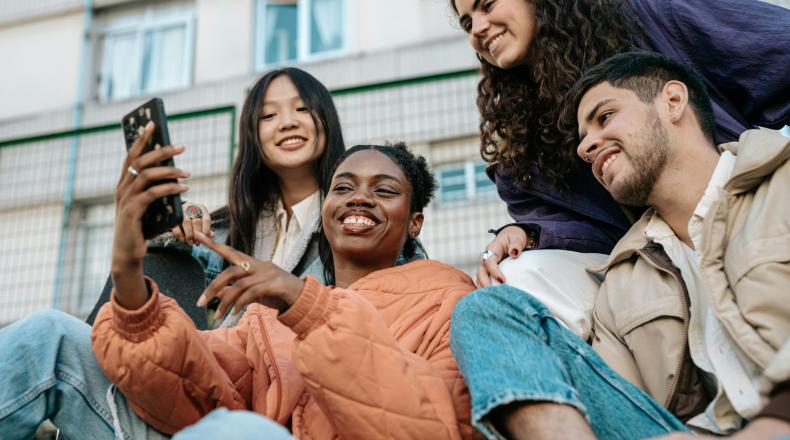
According to our latest research with GivingTuesday, Gen Z participates in generosity at higher rates than other adults, leading in every giving category measured. They give through traditional channels, but their real advantage lies elsewhere: in sharing, peer-to-peer fundraising, advocacy, and mobilizing their communities.
These aren’t secondary behaviors. They’re core to how Gen Z engages with causes, and they create a multiplier effect that direct giving alone can’t match. When a Gen Z supporter shares a campaign, recruits a friend, or advocates publicly for a cause online, they bring others into the giving ecosystem. That network-driven participation expands awareness, engagement, and action far beyond a single transaction.
For nonprofits, this creates an opportunity, but only if the right infrastructure is in place to capture it.
Why community fundraising changes the equation
These giving behaviors reflect something broader than generational preference. They signal a shift in how trust gets built. Trust in institutions has declined steadily, while trust through relationships has grown. People give to causes they hear about from people they know.
Community fundraising builds on what the best peer-to-peer fundraising has always done well. Dance marathons, endurance challenges, tribute fundraisers: these formats work because they make giving social, personal, and community-driven. The difference now is that the infrastructure has caught up. What once required significant planning and coordination can happen digitally, at scale, and on a supporter's own terms.
Your organization provides the mission and the framework. Your supporters drive the action, recruiting their networks, sharing their stories, and deepening their own connection to your cause in the process. The result isn't just a donation. It's a model where participation compounds.
And the data backs this up. Among Gen Z donors who give through platforms like GoFundMe, 91% also give to registered nonprofits. That's 16 percentage points higher than their peers who don't use these platforms.
Community fundraising doesn't pull donors away from institutional giving. It brings more people into it.
A practical framework for getting this right
Knowing that Gen Z gives differently is only useful if it changes how you build. Here are five ways to start.
Build for the full spectrum of generosity. Gen Z engages across a wide range of behaviors: sharing and storytelling, direct giving, peer-to-peer fundraising, livestreaming, challenges, and advocacy. Your giving experiences must support all of them, not just the ones at the bottom of the funnel.
Reduce friction. Community-powered fundraising should be fast to start, flexible to shape, and always available. Every unnecessary step between intention and action is a drop-off point.
Create seamless paths between ways of giving. Gen Z doesn't separate giving to individuals from giving to organizations. Your experiences should reflect that, integrating into a single, connected journey rather than a series of disconnected touchpoints.
Measure participation, not just transactions. Dollars raised matter, but they don't tell the whole story. Track shares, fundraisers created, unique donors, and network reach alongside revenue. These signals tell you how deeply your cause is moving through your supporters' communities, and they're leading indicators of long-term growth.
Make impact visible and ongoing. Show supporters how their actions connect to real outcomes. Don't just report results after a campaign ends. Instead, build environments that demonstrate ongoing impact and make continued participation feel meaningful.
The organizations that grow
Adapting to Gen Z's giving behaviors isn't about replacing traditional fundraising. It's about expanding it. By building experiences that support sharing, advocacy, and community participation alongside direct giving, we can meet supporters across every life stage and every point in their giving journey.
The nonprofits that grow in the next decade will be the ones that make participation, in all its forms, the easiest thing a supporter can do. That work starts now.
Explore the full findings in GoFundMe and GivingTuesday’s latest report, Gen Z is more generous than you think.